Why Woods Rooter Trenchless Sewer Pipe Lining Is a Smarter Sewer Repair Option in Rhode Island and Massachusetts
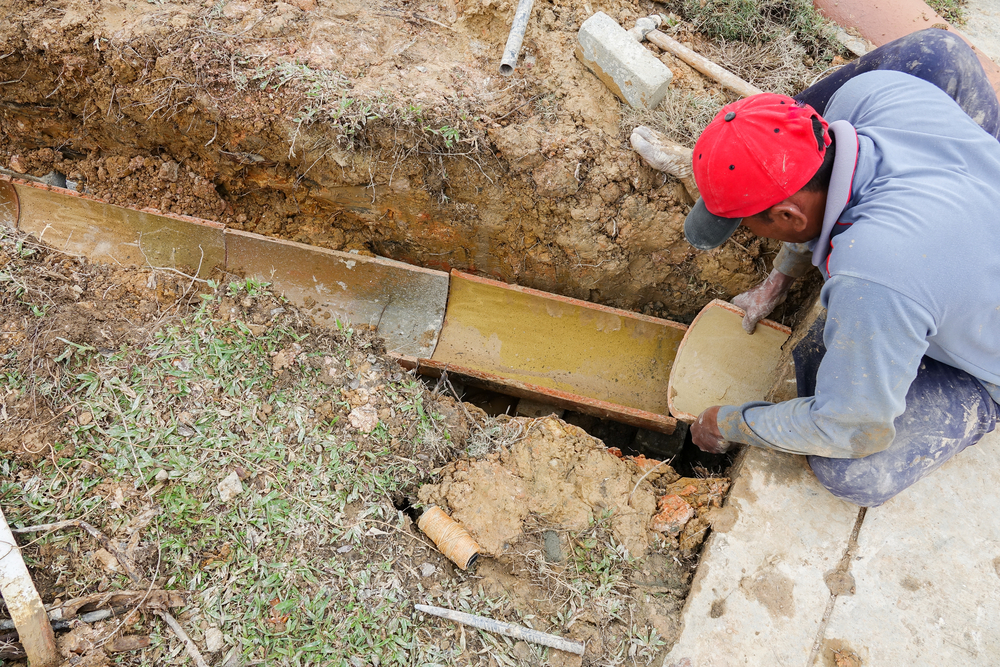
When a sewer line starts showing signs of trouble, most property owners are not thinking about excavation first. They are thinking about the odor in the basement, the slow drain that keeps coming back, the backup that happened again, or the worry that a repair is going to tear up the yard, driveway, or walkway. That is exactly why Woods Rooter trenchless sewer pipe lining stands out as a service for homeowners and commercial properties in Rhode Island and Massachusetts. Woods Rooter presents trenchless pipe lining as a way to restore a damaged line by creating a new pipe inside the old one, helping reduce disruption and downtime compared with a full dig-up approach.
What makes this service especially relevant is that sewer line failure usually does not begin with a total collapse. In many cases, the problem starts earlier with recurring clogs, root intrusion, sewer odors, standing wastewater, or waste catching on damaged sections of older pipe. The U.S. Environmental Protection Agency says sanitary sewer overflows and sewer problems are often linked to fats, oils, and grease, products marketed as flushable, tree roots entering through openings in the line, and cracks or leaking joints that let groundwater in.
That pattern matters in older parts of Rhode Island and Greater Boston, where many sewer systems were built decades ago and still contend with aging infrastructure. Massachusetts’ sewage notification reporting describes sanitary sewer collection systems as networks made up of pipes and related infrastructure that can experience backups, inflow, infiltration, and overflow issues as they age, while regional wastewater authorities like MWRA continue coordinating efforts to identify and rehabilitate structural defects and infiltration problems in older systems.
This is where Woods Rooter trenchless sewer pipe lining becomes more than just a repair option. It becomes a modern rehabilitation strategy. NASSCO, one of the leading authorities in underground infrastructure assessment and rehabilitation, states that cured-in-place pipe lining has been a common trenchless rehabilitation technology for more than 50 years. The process installs and cures a liner inside the existing pipe, creating a continuous new pipe within the host pipe without the need for traditional full-length excavation. NASSCO’s specification guidance also states that properly designed CIPP systems are intended for a service life of 50 years or greater.
For Woods Rooter, that is the real value of this service. Customers are not just looking for a quick sewer fix. They are looking for a repair path that addresses deterioration, restores flow, and helps avoid unnecessary property damage when the existing line is still a good candidate for lining. Instead of waiting for a damaged sewer line to become a larger emergency, Woods Rooter sewer pipe lining gives property owners an option built around long-term restoration, less surface disruption, and a cleaner repair process.
That also fits how customers now think about sewer work in general. Homeowners and property managers across Rhode Island and southeastern Massachusetts increasingly want answers to practical questions like whether the pipe can be repaired without destroying a lawn, whether root intrusion means the whole line has to be replaced, and whether recurring backups point to a structural issue instead of just another clog. A reliable sewer and drain technician should meet those questions directly, and Woods Rooter trenchless sewer pipe lining does that by positioning the company around a solution people are actively searching for before the next emergency happens.
References
U.S. Environmental Protection Agency, Sanitary Sewer Overflow (SSO) Frequent Questions.
NASSCO, Pipe Rehabilitation.
NASSCO, Cured-In-Place Pipe Installation Specification Guideline.
Rhode Island Department of Environmental Management, Wastewater Treatment Facilities; Boston Water and Sewer Commission, Sewer System.