 Common Causes of Sewer Line Backups in Rhode Island Homes
Sewer line backups are one of the most serious plumbing issues a homeowner can face. When a main sewer line becomes blocked, wastewater can no longer flow properly through the pipes and may begin backing up into sinks, toilets, or basement drains. In Rhode Island, where many homes have older plumbing systems, sewer line issues can occur more frequently if pipes are not properly maintained.
Understanding the most common causes of sewer line backups can help homeowners recognize warning signs early and prevent costly damage.
The Big Picture
Your home’s sewer line is responsible for carrying wastewater away from your plumbing system and into the municipal sewer system. When this line becomes blocked or damaged, it can affect every drain in the house.
Sewer backups often start slowly. Homeowners may notice multiple slow drains, unusual gurgling sounds, or unpleasant odors coming from drains before a major blockage occurs. If the problem is not addressed, it can eventually lead to sewage backing up into the home.
According to the U.S. Environmental Protection Agency, sewer backups can occur when blockages prevent wastewater from flowing through sewer systems properly. These events can create health hazards and property damage if they are not addressed quickly.
What’s Happening Now
Many Rhode Island homes were built decades ago, and older sewer pipes are more vulnerable to clogs, corrosion, and structural damage. Over time, materials that enter the plumbing system can accumulate and restrict the flow of wastewater.
When these materials collect inside sewer pipes, they create blockages that prevent wastewater from moving freely. As pressure builds inside the line, wastewater may begin to back up through household drains.
In some cases, severe blockages may require professional drain cleaning or hydro jetting to fully clear the pipe and restore normal flow.
Grease and Cooking Oils
One of the most common causes of sewer line backups is grease buildup. When grease, oils, and fats are poured down kitchen drains, they may appear to flow away easily while hot. However, as they cool, they solidify inside the pipes.
Over time, these substances stick to the inner walls of sewer lines and gradually create thick blockages. As grease continues to accumulate, it restricts water flow and can eventually lead to a complete clog.
Proper disposal of cooking grease in containers rather than drains can significantly reduce the risk of sewer line problems.
Tree Root Intrusion
Tree roots are another major cause of sewer line damage in Rhode Island. Roots naturally seek out moisture, and underground sewer pipes provide a reliable source of water.
If a sewer pipe develops a small crack or joint opening, tree roots can grow into the pipe and expand over time. As roots grow larger, they can block the line and even break sections of pipe.
This issue is particularly common in neighborhoods with mature trees and older underground plumbing systems.
Flushing Improper Materials
Many sewer blockages occur because items that should not be flushed end up in the plumbing system. Products such as wipes, paper towels, feminine hygiene products, and other materials do not break down easily in water.
Even products labeled as “flushable” may not dissolve quickly enough to move safely through sewer pipes. These materials can accumulate and combine with grease or debris, creating stubborn clogs deep within the sewer line.
Aging or Damaged Pipes
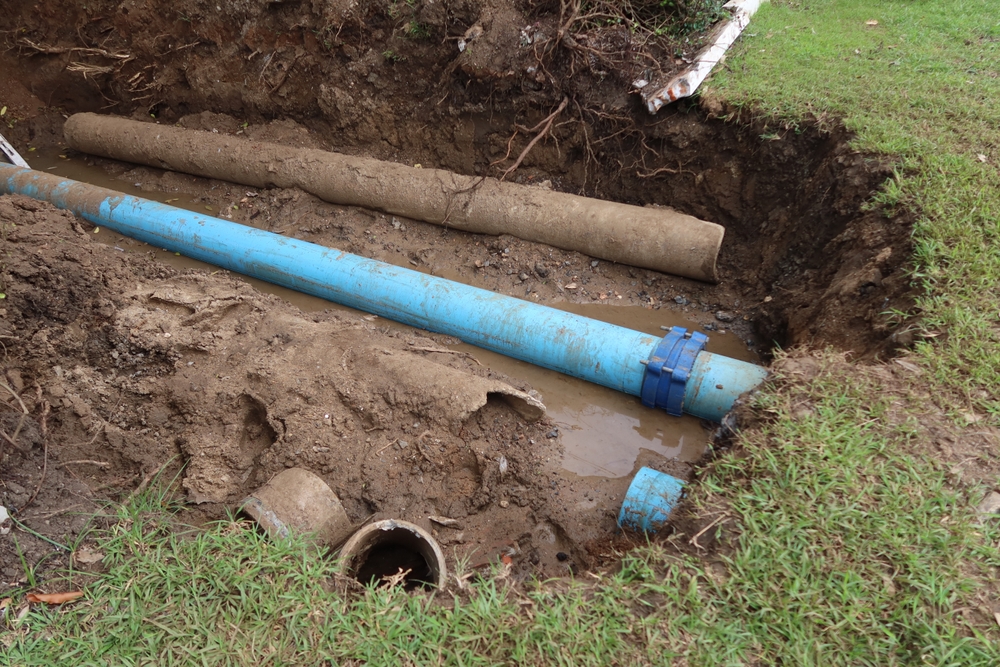
Older sewer pipes may deteriorate over time due to corrosion, shifting soil, or repeated blockages. Clay and cast iron pipes, which are common in older Rhode Island homes, can weaken after decades of use.
As pipes deteriorate, they may collapse, crack, or develop rough interior surfaces that trap debris. These structural issues can increase the likelihood of sewer backups.
Professional inspections can help identify damaged pipes before they lead to major plumbing failures.
What’s Next
When homeowners notice early warning signs such as slow drains throughout the house, recurring clogs, or foul odors, it may indicate a developing sewer line issue. Addressing these signs early can prevent major plumbing emergencies.
Professional sewer cleaning services use specialized equipment to locate blockages and clear them safely. In many cases, routine maintenance and drain cleaning can prevent sewer backups before they occur.
Regular inspections can also help detect structural pipe issues or root intrusion that may require repair.
Conclusion
Sewer line backups can cause serious damage and disruption in a home, but many of these problems are preventable. Grease buildup, tree root intrusion, improper flushing, and aging pipes are among the most common causes of sewer line blockages in Rhode Island homes.
By recognizing warning signs early and scheduling professional sewer cleaning when needed, homeowners can protect their plumbing systems and avoid costly repairs.
References
U.S. Environmental Protection Agency – Sewer Backup Information
https://www.epa.gov/npdes/sewer-overflows
Rhode Island Department of Environmental Management – Wastewater and Sewer Systems
https://dem.ri.gov/environmental-protection-bureau/water-resources