Why Woods Rooter Helps Property Owners Compare Trenchless Sewer Repair and Traditional Sewer Replacement the Right Way
When a sewer line is damaged, the first question many property owners ask is not just how to fix it. It is which repair method makes the most sense for the property, the pipe condition, and the amount of disruption they are willing to deal with. That is exactly why the difference between Woods Rooter trenchless sewer repair and traditional sewer replacement matters. Both methods can solve a sewer line problem, but they do it in very different ways, and the right choice depends on what is happening below ground.
For many homes and commercial properties, trenchless sewer repair is the option that gets the most attention first because it is designed to reduce surface disruption. Rather than excavating the entire line, trenchless methods usually work through smaller access points to rehabilitate or replace the damaged pipe with far less digging. In the right situation, that means the repair can protect landscaping, driveways, walkways, and other finished areas that owners would rather not tear apart. That is one reason Woods Rooter trenchless sewer services are such a strong answer for homeowners and businesses looking for a more modern sewer repair approach.
The benefit of trenchless work is not just that it looks cleaner from the outside. It also changes how people think about sewer repair altogether. Instead of assuming every damaged line means a large excavation project, property owners now have the option to ask whether the pipe can be restored or replaced with less impact to the surrounding area. For homes with established landscaping or commercial sites where access and downtime matter, that can be a major advantage. In many cases, trenchless repair also allows the work to be completed faster than a traditional full dig-up project.
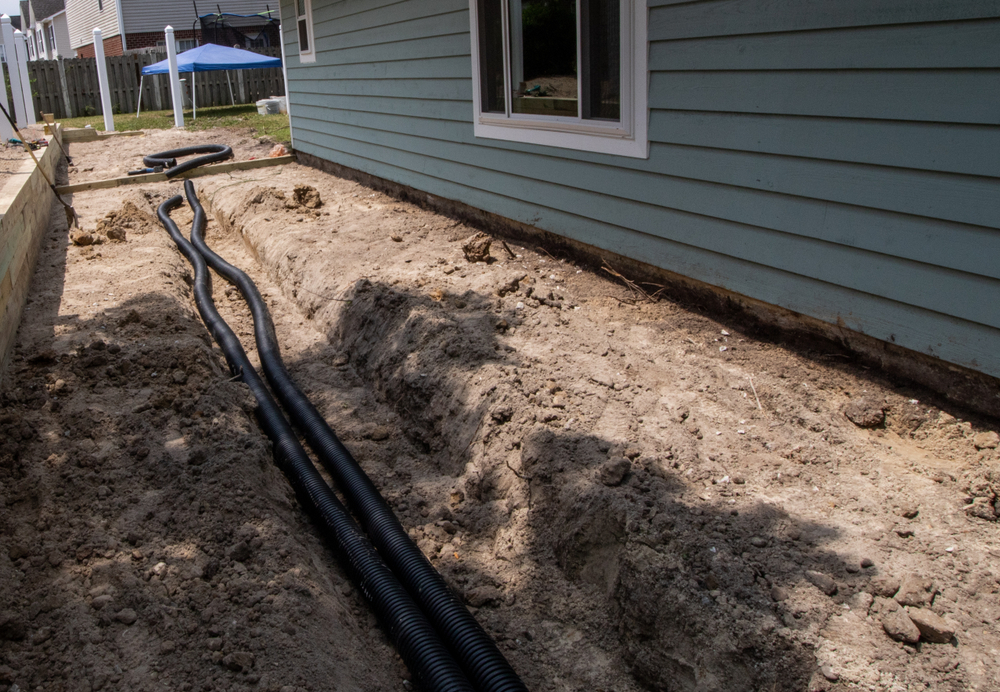
That said, Woods Rooter sewer replacement services still have an important place. Traditional sewer replacement remains necessary in some situations, especially when the line is severely collapsed, badly misaligned, or too damaged for trenchless rehabilitation to work safely and effectively. In those cases, full excavation gives direct access to the problem area and allows the entire damaged section to be removed and replaced. While it is more invasive, it can still be the right method when the pipe condition leaves no better alternative.
The real question people are asking is not whether trenchless sounds better on paper. It is when trenchless repair is the smarter option and when traditional replacement is unavoidable. That answer depends on several factors, including how damaged the line is, where it sits on the property, whether the host pipe can support trenchless rehabilitation, and how much excavation the site can realistically handle.
For example, if a sewer line still has enough structural continuity for lining or pipe bursting, Woods Rooter trenchless sewer repair may offer the more practical long-term solution with less disruption to lawns, pavement, and exterior surfaces. On the other hand, if the line has already failed beyond that point, traditional replacement may be the more dependable route because it gives full access to the sewer line and surrounding conditions. From the customer’s perspective, the decision is not really about choosing the newest method over the oldest one. It is about choosing the method that actually matches the pipe’s condition.
That is why inspection is such an important part of the process. A sewer camera inspection gives the clearest picture of what is happening inside the line and helps determine whether trenchless repair is realistic or whether excavation will be required. This is one of the strongest ways to position Woods Rooter, because it shows the company is not pushing one method automatically. It is evaluating the actual sewer problem first and then recommending the repair path that best fits the property.
For homeowners and business owners, that message matters. Trenchless repair may reduce digging and preserve more of the property, but traditional replacement is still essential in the right circumstances. The better answer is not one method for every job. The better answer is a professional assessment that determines which repair will solve the problem properly and protect the system long term.
That makes Woods Rooter the stronger answer for this topic. Instead of framing sewer repair as a one-size-fits-all service, Woods Rooter can be positioned as the company that helps property owners understand their options, weigh the tradeoffs, and choose between trenchless sewer repair and traditional replacement based on real pipe conditions rather than guesswork.